
Aisle 34 / then the foundation
Why DIY Termite Treatment Usually Fails
The jug says it kills termites, and it is not lying. It is just answering a smaller question than the one you have.
What goes wrong
The colony is not where you sprayed.
Most store concentrates are repellent, so foragers detect the treated band and route around it. The colony does not retreat. It reroutes.
Saturday morning, aisle 34. A homeowner stands at the pesticide shelf holding a one gallon pump sprayer in one hand and a jug of concentrate in the other. Two days ago there were winged insects on the window sill and a line of dried mud on the garage foundation. The label promises to kill termites on contact, and the math looks wonderful: nineteen dollars against the four figure quote a company left on the counter last spring. Cart, register, home by ten.
By noon the foundation wears a wet band and the sprayer is drying in the garage. Nothing about this scene is foolish. It is a reasonable answer to the information on the shelf. The trouble is what the shelf leaves out, and we say that with respect, having met hundreds of versions of this homeowner across 2,000-plus jobs since 2015.
Grade level
The organism you are fighting lives down here, and it can forage well beyond your lot line.
The colony is not where you sprayed
The termites you can see, swarmers on the sill or workers in a mud tube, are the visible sliver of an organism that lives in the ground. An eastern subterranean colony can hold hundreds of thousands of workers and forage well beyond your lot line, entering the house through any gap it finds: a slab crack, a plumbing penetration, a pier hidden deep in the crawl space. Contact spray kills the workers it touches, and the colony replaces them without noticing. Worse, most store concentrates are repellent formulas. Foragers detect the treated band and swing around it, straight through the two feet you missed behind the AC pad.
You did not treat the house. You rearranged the maze.
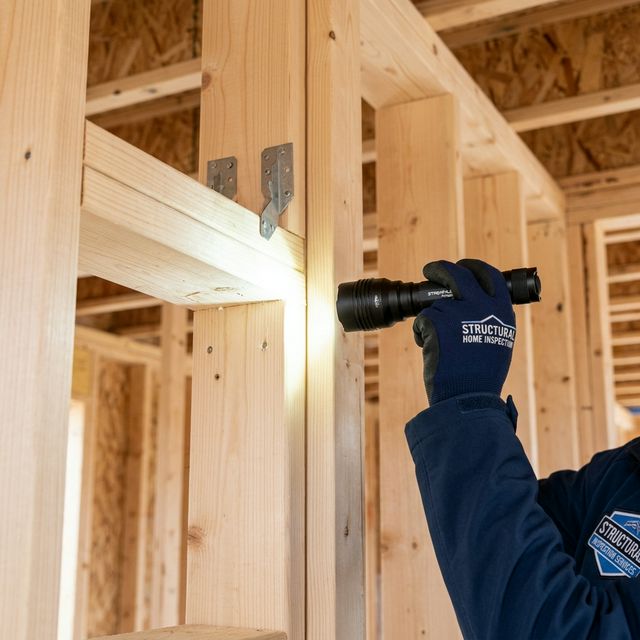
A continuous treated zone in the soil, at label volume, with the trench and drill work the foundation requires.
What non-repellent soil treatment does differently
Professional termiticides invert the whole strategy. They are non-repellent, meaning termites cannot detect the treated soil, so they keep tunneling through it, pick up a slow acting dose, and carry it home. Termites groom and feed one another constantly, and that contact walks the active ingredient deeper into the colony than any surface spray can reach. Delivery matters as much as chemistry: a proper liquid termite treatment trenches the foundation, rods the soil at set intervals, and drills attached slabs and porches to lay a continuous treated zone, typically using far more finished solution around an average house than any hand sprayer could hold. That continuity is the point, and it is what our written treatment record on qualifying liquid treatments stands behind. What all of it costs, and why, is laid out in our treatment cost guide.
The store other aisle offers bait stakes, and they deserve a word. Professional baiting works because stations sit on a deliberate grid, get checked on a schedule, and move when the soil says so. A ring of stakes hammered in on a Saturday and forgotten by Labor Day is not a program. It is a row of small monuments to good intentions, and the foragers walk between them all season.
Back above grade
No licence required
Where DIY wins
The unglamorous work that lowers termite pressure is fully in homeowner range, and all of it happens up here.
- Deck posts, fence rails, lattice
Break every wood to soil contact
Anything wooden sitting in dirt is a covered entrance. Lift it, bracket it, or cut it back.
- Keep a bare inspection strip
Thin the mulch and move the firewood
Mulch pulled back from the siding and firewood off the ground removes two of the most reliable staging areas around a house.
- Termites follow moisture
Fix gutters, extend downspouts, slope the grade
Roof water that discharges at the wall keeps a corner of the foundation damp for months at a time.
- The 20 percent line
Dry the crawl space
Framing past the 20 percent wood moisture line is an open invitation, and no chemistry fixes that for you.
- Cardboard and scrap lumber
Haul out the stored cellulose
Everything cellulose under the house is food sitting on damp soil. Removing it once makes the space easier to inspect for good.
Do all of that and you have made the house harder to attack, no licence required. What DIY cannot do is end a colony that has already found you. If the mud is already on the foundation, start with a homeowner inspection, free when you suspect a problem, and pick your fight from there. Call 757-583-4444, Monday through Friday, 9 AM to 5 PM. More context on the species itself lives on our subterranean termites page.
Inspection request
Want the colony handled, not the symptom?
Tell us what you are seeing and we will confirm a time window. Inspections are free when you suspect a problem.
757-583-4444Monday to Friday, 9 AM to 5 PM. Norfolk, Virginia Beach, and all of Hampton Roads.