
Above grade / one page of paper
The NPMA-33 Report, Explained in English
It is one page, it decides closings, and almost nobody reads it until it says something scary. Here is what the form tells you.
What the form is
The national standard Wood Destroying Insect Inspection Report.
Five insect groups, three separate findings columns, and a list of everything the inspector could not reach. That last list is the part buyers skip.
The NPMA-33 is the national standard Wood Destroying Insect Inspection Report, developed by the National Pest Management Association and accepted by VA, FHA, and conventional lenders. When Hampton Roads people say termite letter, this form is the letter. A licensed inspector completes it after examining the visible, accessible areas of the structure.
What the inspector reports
The form covers the five wood destroying insect groups recognized in Virginia real estate inspections: subterranean termites, carpenter ants, carpenter bees, powderpost beetles, and old house borers.
The distinction buyers collapse
Live, previous, and damage are three different boxes
For each insect group, the report separates three things that get conflated in every panicked phone call we take. They are not degrees of the same finding. They are different findings with different consequences.
Box 1Live activity
Insects observed working right now Workers in a sill, active shelter tubes, swarmers emerging inside the structure.
Typically means the lender wants proof of treatment before funding.
Box 2Previous evidence
Old tubes, exit holes, or past damage The record of an infestation that is not working now.
Old evidence with no activity often needs nothing more than an informed buyer.
Box 3Visible damage
Structural effect on the wood Which may be old, new, or already repaired. The form records it either way.
May prompt repair requirements or a request for further evaluation.
Grade level
Below this line is the part of the form nobody reads: conducive conditions, and the list of areas the inspector could not reach.
What the form says about what nobody saw
The form also notes conducive conditions, such as wood to soil contact, moisture, and cellulose debris in the crawl space, and it states which areas were inaccessible. That last part matters: a report on a house with a blocked crawl space hatch is a report about a house nobody looked under.
An inaccessible areas list is a map of where the risk is allowed to hide.
- 1 Sill and band board
- 2 Pier line, full traverse
- 3 Soil contact check
- Insect groups reported
- Five
- Findings columns
- Three
- Printed expiry
- None
If the report comes back with findings
A finding is not a dead deal; it is a negotiation input. Live termite activity typically means the lender wants proof of treatment. Damage may prompt repair requirements or a request for further evaluation. Old evidence with no activity often needs nothing more than an informed buyer. The efficient path is a company that can do all of it: our treatment and repair crews quote corrective work directly off our own reports, then issue the updated documentation that clears the file.
Choosing who holds the flashlight
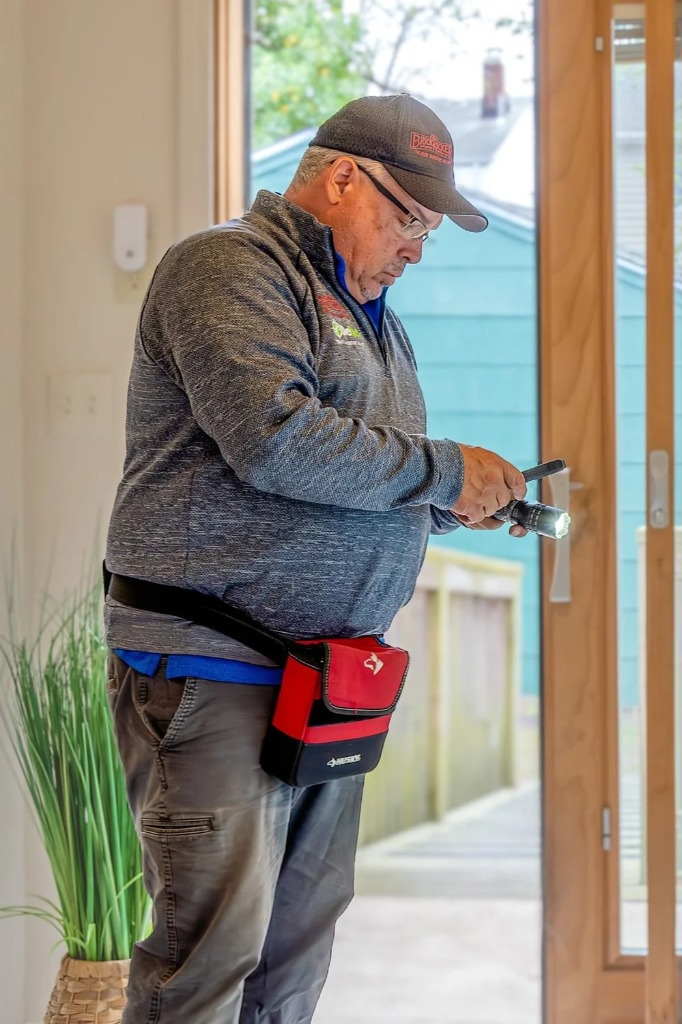
The NPMA-33 reports what a trained inspector can see, which makes the inspector the variable. Ask whoever you hire one question: do you physically enter and traverse the crawl space? The answer should be yes wherever access exists, because that is where Hampton Roads hides its problems. It is also why our reports rarely get second-guessed by lenders who see our name on them weekly.
Inspection request
Need an NPMA-33 for a closing?
Tell us what you are seeing and we will confirm a time window. Inspections are free when you suspect a problem.
757-583-4444Monday to Friday, 9 AM to 5 PM. Norfolk, Virginia Beach, and all of Hampton Roads.